
What is Neurogrief?
Recognizing that you are neurodivergent can bring greater clarity and self-understanding. It can also bring up emotions and questions about your past, your relationships, the support you needed, and how you want to move forward.
Danielle Sheppard, LPCC, coined the term neurogrief to describe the complex emotional process that can arise after a late autism or ADHD diagnosis, or when someone begins to recognize and self-identify as neurodivergent.
A Natural Part of Identity Development
Neurogrief is not a disorder or pathology. It is a natural process that may occur as someone develops a deeper understanding of their neurodivergence and begins making sense of their life through this new understanding.
For some people, this realization brings relief, clarity, validation, or even elation. For others, it may also bring sadness, anger, overwhelm, or disconnection. These feelings can exist separately, appear at different times, or be experienced alongside one another.
“Neurogrief is not a disorder or pathology. It is a natural part of identity development that can occur after a person realizes they are neurodivergent.”
Danielle Sheppard, LPCC
A Natural Part of Identity Development
There is no single way to experience neurogrief
Learning that you are autistic, have ADHD, or otherwise identify as neurodivergent can offer an explanation for experiences that may have felt confusing or disconnected.
You might feel relieved to have language for your needs. You may begin to recognize your strengths with greater compassion. You may also revisit memories of being misunderstood, unsupported, excluded, or expected to function in ways that did not reflect how your mind and nervous system work.
Neurogrief may include feelings connected to:
Relief and clarity
Past experiences may begin to make more sense. Having language for your needs can create a feeling of recognition, validation, or possibility.
Missed understanding or support
You may think about times when greater understanding, accommodations, or support could have made a meaningful difference.
Changing expectations
You may reconsider expectations you have carried about relationships, work, productivity, communication, or what a fulfilling life is supposed to look like.
Self-compassion and acceptance
As your understanding deepens, you may begin replacing judgment with curiosity, recognizing your needs more clearly, and developing a more caring relationship with yourself.
What neurogrief is—and what it is not
Neurogrief is not grief about being neurodivergent
Neurodivergence is not a tragedy, failure, or condition that makes someone less whole. Neurogrief describes emotions that may arise while making sense of past experiences, unmet needs, social expectations, or years spent without an explanation.
Neurogrief does not mean a diagnosis is negative
A diagnosis or realization can be deeply validating. Relief and grief are not opposites, and experiencing difficult emotions does not take away from the clarity or self-understanding a person may gain.
Neurogrief is not a clinical diagnosis
Neurogrief is a term for an emotional process, not a mental health disorder or formal diagnosis.
Neurogrief is not universal
Not every neurodivergent person experiences neurogrief. There is no required emotional response to recognizing or receiving a diagnosis of autism or ADHD.
An ongoing process without a fixed endpoint
Neurogrief does not necessarily follow a predictable sequence or reach a clear conclusion. It may return as you encounter new relationships, environments, expectations, or stages of life.
You may understand a past experience differently months or years after recognizing your neurodivergence. New questions may arise as you explore your needs, practice asking for support, reduce masking, or reconsider what feels sustainable and meaningful.
This does not mean you are moving backward. It can be part of an ongoing process of developing a deeper understanding and love for yourself.
You do not have to sort through it alone
Neuroaffirming support can provide space to explore the emotions and questions that arise without treating neurodivergence as something that needs to be corrected.
Support may help you:
Understand past experiences through a neuroaffirming lens
Recognize your needs and communicate them more clearly
Explore the effects of masking and unmet support needs
Develop practical supports that reflect how you live and process information
Strengthen self-compassion
Build a more sustainable relationship with work, rest, communication, and connection
The purpose is not to change who you are. It is to help you understand yourself more fully and build support around the life you are living.
Frequently Asked Questions
Questions about neurogrief:
Is neurogrief a mental health diagnosis?
No. Neurogrief is not a disorder, pathology, or clinical diagnosis. It is a term Danielle Sheppard, LPCC, coined to describe an emotional process that may arise when someone recognizes that they are neurodivergent.
Can neurogrief happen without a formal diagnosis?
Yes. Neurogrief may arise after a formal autism or ADHD diagnosis, during the assessment process, or when someone begins to recognize and self-identify as neurodivergent.
Does everyone experience neurogrief?
No. Some people experience relief or clarity without grief. Others encounter a combination of emotions that changes over time. There is no correct or required response.
How long does neurogrief last?
Neurogrief does not have a fixed timeline or clear endpoint. It may evolve as someone gains new insight, revisits past experiences, enters different stages of life, or develops new forms of support.
Does neurogrief mean someone is grieving their neurodivergence?
Not necessarily. Neurogrief is not based on the idea that being neurodivergent is negative. It may relate to being misunderstood, navigating environments without appropriate support, reconsidering past experiences, or developing a new understanding of personal needs.
Continue exploring at your own pace
Understanding neurogrief can take time. Living Careers offers educational resources, classes, and supportive spaces for people who want to learn more about their neurodivergence and develop supports that reflect their needs.
Meet Danielle Sheppard
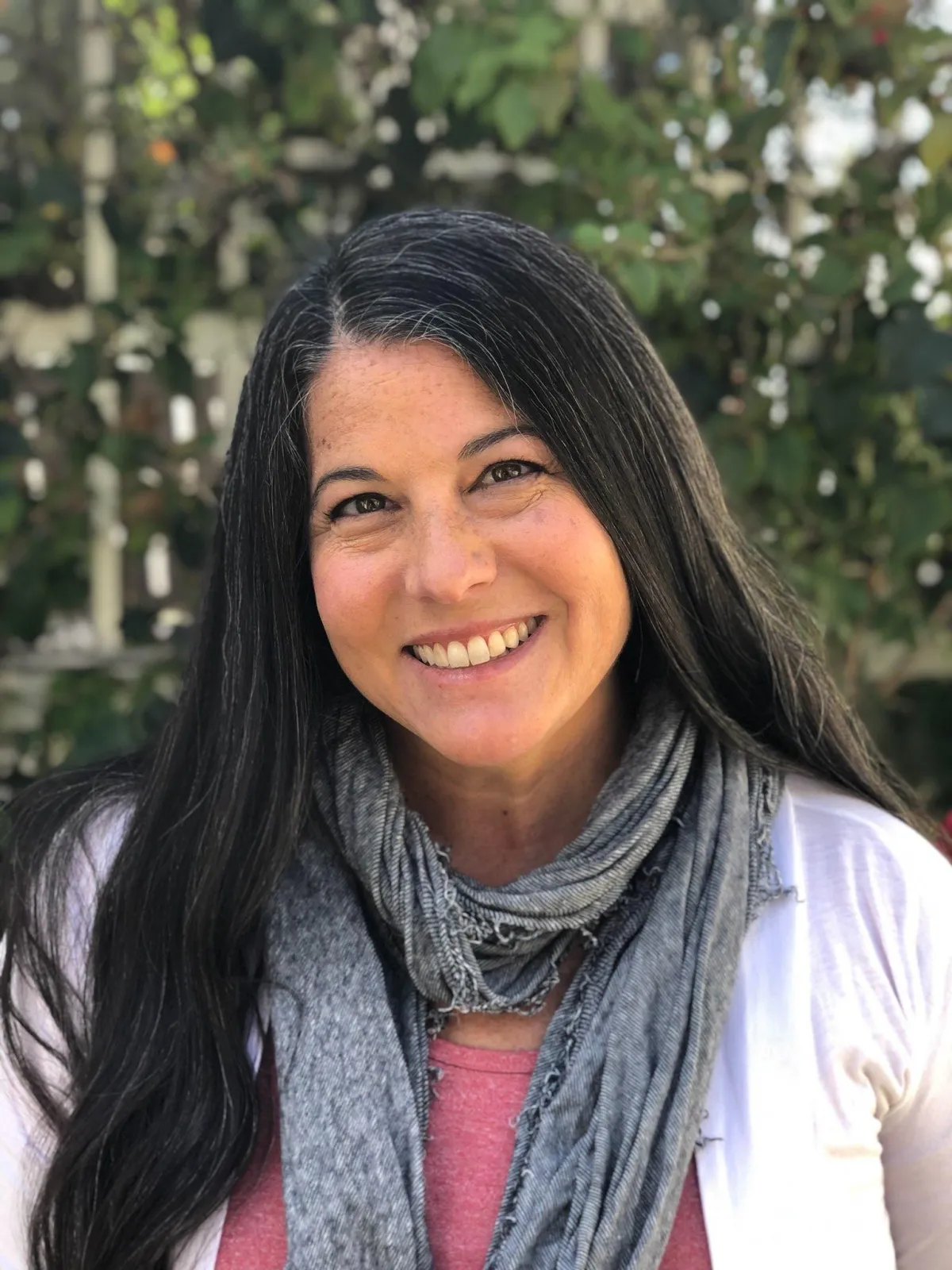
Danielle Sheppard, LPCC, is a neuroaffirming therapist, educator, speaker, Certified Grief Educator, and Certified Grief Coach. She works with individuals and groups exploring grief, neurodivergence, relationships, and meaningful personal and professional growth.


Site Navigation
Subscribe
© 2026 Living Careers. All Rights Reserved. Privacy Policy | Terms & Conditions